원자력공학과, ‘원자력 안전규제라운드테이블’ 개최

Research 2026년 03월 18일 수요일

New Insights Reveal How PM2.5 Weakens Cerebrovascular Function and Impacts Brain Health

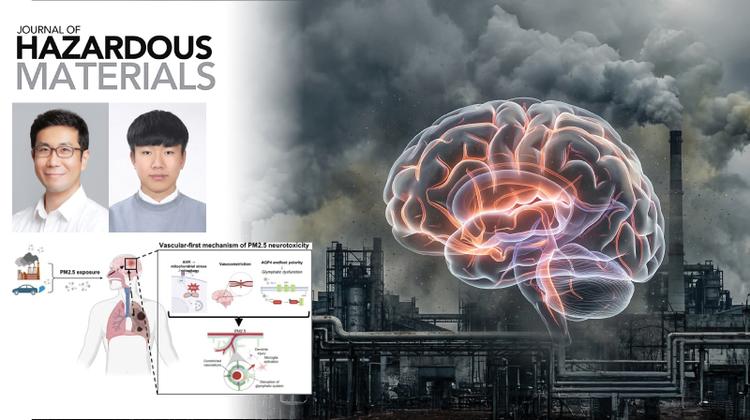
Abstract Particulate matter (PM2.5) is a pervasive air pollutant increasingly linked to neurovascular dysfunction, but the cellular mechanisms remain unclear. We identify the aryl hydrocarbon receptor (AHR) as a key endothelial sensor of PM2.5 that initiates mitochondrial stress and Parkin-dependent mitophagy. Across complementary inhalation and intratracheal instillation models, integrated with spatial transcriptomics, high-resolution imaging, and in vitro assays, endothelial mitochondrial injury and oxidative stress constricted cerebral vessels and reduced perfusion. These vascular insults propagated to astrocytes, where calmodulin-dependent mislocalization of aquaporin-4 (AQP4) disrupted perivascular water homeostasis and glymphatic exchange. System-level consequences included dendritic degeneration, microglial activation, and hypoxic stress, with the hippocampus showing heightened vulnerability. Spatial transcriptomics resolved region- and cell type–specific injury and synaptic remodeling that bulk RNA sequencing failed to detect, while endothelial readouts evidenced canonical AHR engagement. Collectively, the data establish endothelial mitophagy as a metabolic checkpoint linking environmental particulate exposure to gliovascular dysfunction and impaired brain clearance, and nominate AHR signaling as a potential therapeutic target to preserve brain homeostasis under chronic air pollution. These mechanistic links provide a framework for interpreting epidemiological associations between PM2.5 exposure and neurodegenerative disease risk. Researchers from UNIST, in collaboration with the Korea Brain Research Institute (KBRI) and the Korea Institute of Toxicology (KIT), have identified the neurotoxic mechanism by which PM2.5—fine airborne particulate matter—damages cerebrovascular health and adversely impacts brain function. This breakthrough was a collaborative effort led by Professor Kyemyung Park from the Graduate School of Health and Science (HST) at UNIST, with significant contributions from Dr. Do-Geun Kim of the Dementia Research Group at KBRI and Dr. Kyuhong Lee of KIT. Although PM2.5 has long been associated with respiratory and cardiovascular issues, its direct effects on the brain and the underlying pathways have remained largely unclear. To address this, the research focused on endothelial cells lining brain blood vessels, which are essential for maintaining a healthy neural environment. The study revealed that PM2.5 activates the aryl hydrocarbon receptor (AHR) within cerebrovascular endothelial cells, leading to mitochondrial dysfunction—the cell’s energy-producing organelles. This mitochondrial impairment reduces cellular energy production, impairing blood vessel regulation and ultimately decreasing blood flow to the brain. Furthermore, disruptions were observed in the communication between blood vessels and neighboring cells such as astrocytes. These alterations can interfere with the glymphatic system, the brain’s waste clearance pathway, potentially compromising overall brain homeostasis. Figure 1. Schematic image, illustrating the vascular-first mechanism of PM2.5 neurotoxicity. The hippocampus—a region vital for memory and learning—was particularly susceptible. Given its key role in neurodegenerative diseases like Alzheimer's, these findings provide a scientific basis for understanding how environmental pollutants may contribute to long-term cognitive decline. This research offers a comprehensive view of how PM2.5 exposure can trigger a cascade of effects, starting with cerebrovascular impairment and extending to broader changes in the brain environment. Professor Kyemyung Park of UNIST remarked, "We identified how PM2.5 impairs energy metabolism in vascular cells, leading to systemic changes in brain function. This provides a foundational link between environmental pollution and neurodegenerative processes." Dr. Do-Geun Kim from KBRI, co-corresponding author, stated, "This study demonstrates that PM2.5 can influence brain health by disrupting cerebrovascular function, revealing a potential pathway through which environmental pollutants impact cognition." Dr. Kyuhong Lee from KIT, another co-corresponding author, added, "By accurately simulating the toxicological properties of Korean ambient PM, our findings closely reflect real-world exposure risks, offering valuable insights for environmental health policies and future research." The findings of this research have been published online in the Journal of Hazardous Materials on January 27, 2026. This study has been supported by the National Research Foundation of Korea (NRF), the Ministry of Science and ICT (MSIT), the Korea Brain Research Institute (KBRI), the Korea Institute of Toxicology (KIT), and initiatives, including the Bio-Medical Technology Development Program and Early-Career Research Project. Journal Reference Kyu-Sung Kim, Dong Im Kim, Sungsu Hwang, et al., "PM2.5 impairs gliovascular coupling via endothelial AHR–mitochondrial signaling in mice," J. Hazard. Mater., (2026).

원자력공학과, ‘원자력 안전규제라운드테이블’ 개최

News 2026년 02월 09일 월요일

UNIST and COMWEL Partner to Build Integrated Healthcare–Industry–Engineering Model

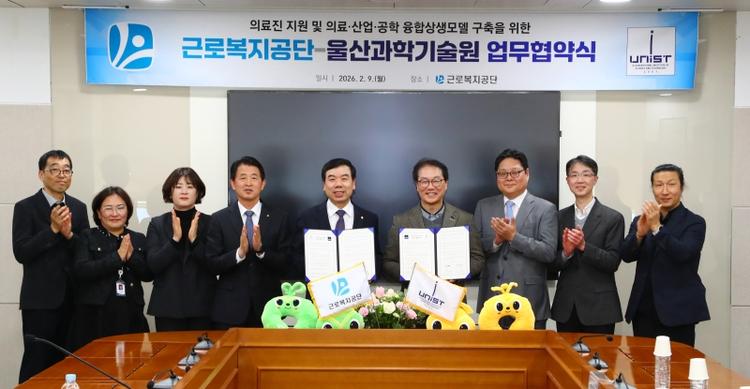
On February 9, UNIST has signed a Memorandum of Understanding (MOU) with the Korea Workers' Compensation & Welfare Service (COMWEL) to establish a collaborative model integrating healthcare, industry, and engineering, centered on the COMWEL Ulsan Hospital (name tentative). The agreement marks the first step toward developing a public healthcare innovation ecosystem tailored to Ulsan by combining medical services with advanced research and industrial expertise. The hospital, currently under construction and scheduled to open in the second half of 2026, will serve as the core platform for this initiative. Under the agreement, the two institutions will cooperate in key areas, including ▲ Exchange & Support of Medical Professionals and Medical Scientists, ▲ Demonstration Research for the Improved Industrial Accident Medical Fee Systems & Application of Rehabilitation Technologies, ▲ Joint Research based on Medical AI & Biomedical Engineering, and ▲ Establishment of Co-growth Model Linking Healthcare, Industry, and engineering. Drawing on its strengths in science and engineering, UNIST will support the hospital in developing into a distinctive public medical institution that integrates clinical services with research and innovation. The two organizations will form a working-level committee to define and implement collaborative projects in stages. UNIST President Chong Rae Park said, "This agreement marks the starting point of cooperation where healthcare, research, and industry can grow together around the COMWEL Ulsan Hospital. We will work closely with COMWEL to ensure that UNIST's research outcomes are applied in real clinical settings and ultimately contribute to improving citizens' quality of life." COMWEL President Jongkil Park added, "The convergence of UNIST's medical, industrial, and engineering capabilities with COMWEL Ulsan Hospital is both timely and essential. We hope this partnership will become a benchmark for public healthcare innovation not only in Ulsan, but across Korea." The two institutions further plan to expand demonstration research in rehabilitation medicine using advanced technologies, such as medical AI and biosensors, aiming to develop Ulsan into a leading hub for public healthcare collaboration where industrial accident treatment and cutting-edge research converge.

원자력공학과, ‘원자력 안전규제라운드테이블’ 개최

News 2026년 01월 27일 화요일

UNIST and DIRAMS Hold First Joint Symposium on Space Medicine

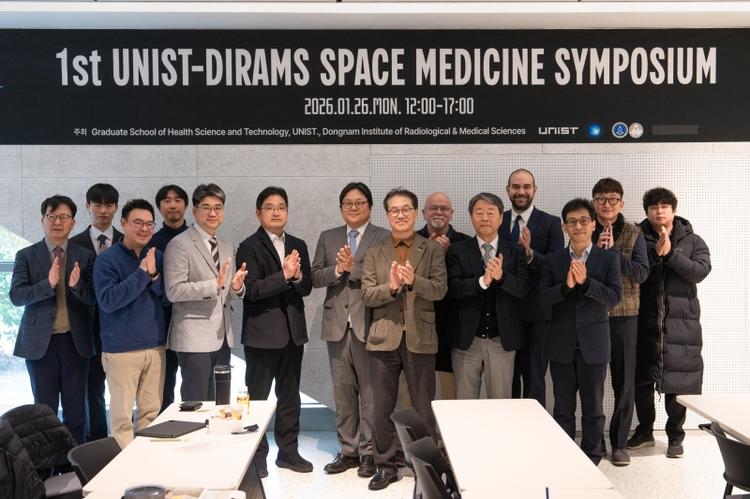
UNIST Graduate School of Health Science and Technology (HST) and the Dongnam Institute of Radiological & Medical Sciences (DIRAMS) jointly hosted the '1st UNIST-DIRAMS Space Medicine Symposium' at the University–Industry Cooperation Building on January 26, 2026. The event brought together leading space medicine experts nationwide, marking a new step in domestic collaboration. The symposium served as the first formal platform for cooperation between the two institutions in the field of space medicine. About 80 researchers and officials attended, including representatives from UNIST, DIRAMS, and the Korea Institute of Radiological and Medical Sciences (KIRAMS). UNIST President Chong Rae Park is delivering a welcome remark at the symposium on January 26, 2026. The event was organized to share recent research findings and strengthen collaboration on understanding how space environments affect human health. Participants exchanged views on medical risks associated with spaceflight and explored ways to translate research outcomes into future missions. The program opened with welcome remarks from UNIST President Chong Rae Park and DIRAMS President Chang-hun Rhee, who highlighted the growing importance of space medicine as a key research field for future space activities. Professor Haig Aintablian, Director of the UCLA Space Medicine Center, delivered a keynote under the theme "Our Pursuit of the Final Frontier." The keynote lecture was delivered by Professor Haig Aintablian, Director of the UCLA Space Medicine Center, under the theme "Our Pursuit of the Final Frontier." He outlined key physiological changes experienced in space and emphasized the need for continued medical research to support human activity beyond Earth. Dr. Manwoo Lee of DIRAMS followed with a presentation on regional accelerator-based research infrastructure and its potential role in advancing space medicine studies. The '1st UNIST-DIRAMS Space Medicine Symposium' at the University–Industry Cooperation Building on January 26, 2026. The afternoon sessions focused on two major themes. The first focused on the effects of microgravity on the human body, including changes in mitochondrial function, immune response, and muscle loss during spaceflight. Researchers also introduced emerging technologies aimed at mitigating these risks. The second session addressed space radiation and its impact on human health. Presentations covered radiation exposure assessment, dosimetry research, and the development of detection systems for use in low-Earth orbit and future lunar missions. DIRAMS President Rhee Chang-hun delivered a welcome remark at the symposium. Seungjae Baek, Head of UNIST Graduate School of HST, said that research in space medicine is essential for safe and sustainable space exploration. "Astronauts operate in extreme environments," he noted. "Scientific preparation is critical if they are to carry out missions safely and effectively." President Rhee of DIRAMS emphasized the interdisciplinary nature of the field. "Space medicine requires close cooperation across medicine, engineering, and radiation science," he said. "By combining our strengths with UNIST, we aim to build a distinctive research platform focused on protecting astronaut health." Through the symposium, UNIST and DIRAMS agreed to expand joint research efforts and continue building a long-term partnership in space medicine and radiation science.

원자력공학과, ‘원자력 안전규제라운드테이블’ 개최

News 2025년 11월 27일 목요일

UNIST–Ulsan City Roundtable Explores Global Trends and Growth Strategies in Biohealth

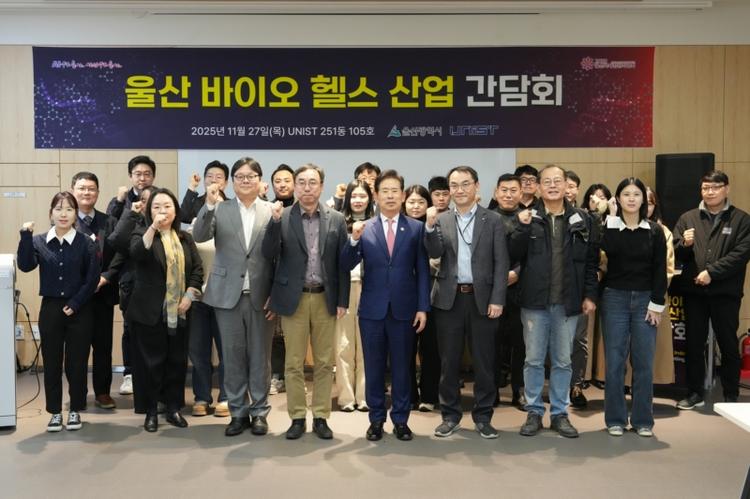
UNIST, in partnership with the Ulsan Metropolitan City, hosted a roundtable meeting on Ulsan Biohealth Industry on November 27, 2025. Took place at the Industry–University Cooperation Building of UNIST, the meeting brought together representatives from academia, industry, research institutes, and government. Attendees included UNIST Vice President Sung Chul Bae for Academic Affairs, Dean Seung Jae Baek of UNIST Graduate School of Health Science and Technology, Vice Mayor Hyo Dae An for Economic Affairs of Ulsan Metropolitan City, and leaders from regional biohealth companies. Key agenda included trends in the global biohealth industry, an overview of Ulsan’s international expansion support programs, and case studies from companies that have benefited from these initiatives. Recent achievements and global expansion strategies were shared at the Ulsan Biohealth Industry Roundtable. During the session, participating companies presented tangible outcomes from Ulsan City's overseas expansion support program—operated by UNIST—including examples of global network building, tailored business development support, and participation in international exhibitions and conferences. These cases highlighted both emerging collaboration opportunities and strategies for entering global markets. Ulsan City also gathered feedback from companies regarding on-site challenges and policy needs, which will inform future support initiatives and the development of new programs for the region's biohealth sector. Vice President Sung Chul Bae of UNIST shares insights at the Ulsan Biohealth Industry Roundtable. "The innovation and determination of regional biohealth companies will shape the future of Ulsan's biohealth industry," said Vice President Sung Chul Bae of UNIST. "UNIST will continue to strengthen practical, field-driven collaboration so that our research outcomes can translate into real impact for industry." "The biohealth sector is experiencing rapid technological change and market growth," added Vice Mayor Hyo Dae An. "To stay competitive, it is essential that we identify market trends early and respond proactively. Ulsan City will work closely with academia, industry, and research partners to reinforce a strong collaborative framework." With continued support from Ulsan Metropolitan City, UNIST plans to expand its overseas market support programs for biohealth and digital health companies next year, further accelerating the region’s growth as a hub for future biohealth innovation.

원자력공학과, ‘원자력 안전규제라운드테이블’ 개최

News 2025년 11월 13일 목요일

Successful Completion of 2025 Digital Healthcare Hackathon, Fostering Cross-Disciplinary Innovation in Medical Technology

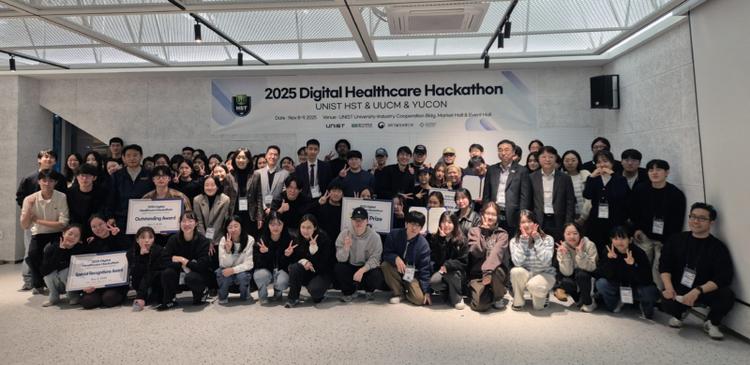
The 2025 Digital Healthcare Hackathon concluded successfully, bringing together students from medical, engineering, and nursing disciplines to collaboratively develop innovative solutions for pressing healthcare challenges. Held over two days at the Industry-Academic Cooperation Center of UNIST from October 8 to 9, the event saw 69 students from UNIST, University of Ulsan (U of U) College of Medicine, and Yonsei University College of Nursing (YUCON) form cross-disciplinary teams to address real-world medical issues through creative technological approaches. This hackathon is part of the K-BIO STAR Project, a national R&D initiative by the Ministry of Science and ICT (MSIT), which is designed to explore new solutions at the intersection of healthcare and technology. The program aims to cultivate next-generation professionals with expertise in medical science and bio-convergence, through the joint UNIST-Ulsan University Health Science and Technology (UU-HST) Program. Participants engaged in dynamic discussions on topics such as medical imaging diagnostics, patient monitoring, telemedicine, emergency care, and drug selection. Leveraging artificial intelligence and big data, teams proposed solutions that push beyond existing healthcare service limitations. A student is presenting a solution to medical problems with a creative idea at the hackathon. The Grand Prize was awarded to TEAM BROCCOLi for their innovative AI-based personalized diet and skin diagnosis app tailored for children with atopic dermatitis. While the Excellence Prize was awarded to TEAM Sixth Sense and Team D.U.B.A.I and Team K-dementia_hunters for showcasing a range of cutting-edge ideas—from sensor-fusion smart mobility aids for visually impaired individuals to AI reminders supporting patients with dementia. Winning teams will have the opportunity to showcase their solutions on a global stage, including participation in WHX Dubai (Formerly Arab Health) in February 2026 and the Sheikh Khalifa Medical City Program, to further develop their ideas internationally. The judging panel comprised Co-Founder Kihong Bae of Strong Ventures LLC, Professor Anna Lee of Yonsei University College of Nursing, Seungjae Baek, Head of UNIST Graduate School of Health Science and Technology, and Professor Sungchan Park of Ulsan University College of Medicine. Kihong Bae remarked, "Analyzing healthcare challenges and developing business plans over just two days was an exhilarating experience. The synergy among teams composed of engineering, medical, and nursing students was remarkable and truly demonstrated the power of interdisciplinary collaboration." Seungjae Baek, Head of UNIST Graduate School of HST, emphasized the significance of the event, stating, "Bringing together students from diverse disciplines to define medical problems and craft solutions was incredibly meaningful. It provided a valuable firsthand experience of the transformative potential of digital healthcare. UNIST remains committed to fostering convergent talents at the nexus of healthcare and science and technology." Dean Hyeon Kyeong Lee of YUCON expressed her appreciation, saying, "It was inspiring to see students respect each other’s ideas and collaborate across disciplines. I hope this hackathon becomes a catalyst for nurturing talent capable of driving meaningful change in healthcare." This event was organized jointly by the UNIST Graduate School of Health Science and Technology, the UNIST Smart Healthcare Research Center, and the Ulsan University College of Medicine, with support from the UNIST Startup Support Team.

원자력공학과, ‘원자력 안전규제라운드테이블’ 개최

News 2025년 11월 09일 일요일

UNIST and DIRAMS Expand Collaboration in Future Medicine through New Partnership

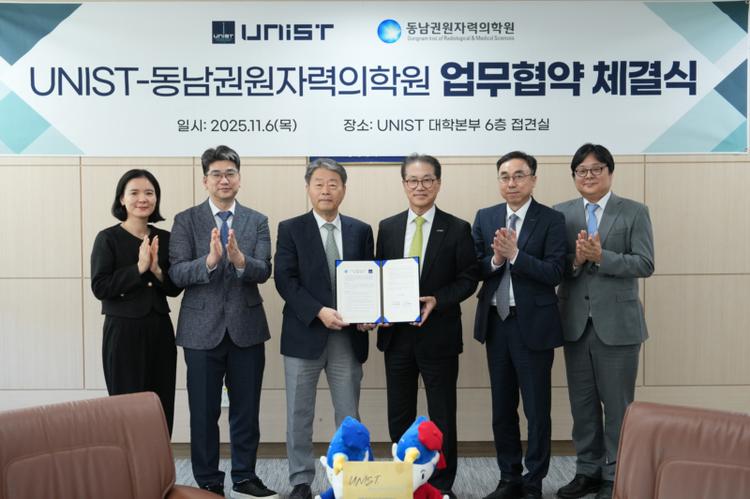
UNIST and Dongnam Institute of Radiological & Medical Sciences (DIRAMS) have renewed their partnership to jointly advance the frontiers of future medicine. The two institutions announced an expansion of their collaboration in cutting-edge interdisciplinary research areas, including artificial intelligence (AI) in healthcare, aerospace medicine, radiopharmaceuticals, and regenerative medicine. On November 6, the two organizations reaffirmed their commitment through a formal Memorandum of Understanding (MOU) signed at the Main Administration Building of UNIST—five years after their initial agreement in 2019. This renewed partnership aims to deepen cooperation across key areas of future medical technology while fostering talent development through student internship programs and collaborative training initiatives. UNIST brings its strong research capabilities rooted in science and technology, while DIRAMS contributes extensive clinical expertise and medical technology. By combining these strengths, the partnership seeks to establish a national hub for innovative future medicine research. From left are DIRAMS President Chang-hun Rhee and UNIST President Chong Rae Park. President Park of UNIST stated, "When science and technology intersect with medicine, new industries are born," adding, "UNIST aims to lead this convergence through innovative research in AI and aerospace medicine, ultimately translating breakthroughs into tangible improvements in healthcare practice." The two institutions also plan to leverage their expertise in AI and radiopharmaceuticals to bolster the emerging space industry in the Southeastern region of Korea—Ulsan, Busan, and Gyeongnam—especially with the establishment of the Korea Space Agency. Their goal is to build a regional medical and industrial network centered on space medicine research, creating a sustainable future healthcare ecosystem. Expressing optimism, President Rhee of DIRAMS stated, "This collaboration is more than just a formal agreement; it will produce tangible results. We anticipate significant achievements in radiopharmaceuticals, regenerative medicine, and AI-driven healthcare solutions." The MoU signing ceremony was attended by UNIST President Chong Rae Park, Vice President Sung Chul Bae for Academic Affairs, Director Seungjae Baek of the UNIST Graduate School of Health Science and Technology, DIRAMS President Chang-hun Rhee, and Director SangYeon Hwang of DIRAMS Research Center. Moving forward, the two organizations plan to institutionalize joint research initiatives and develop concrete models for regional and national leadership in future medical innovation.

원자력공학과, ‘원자력 안전규제라운드테이블’ 개최

News 2025년 06월 24일 화요일

UNIST and U of U College of Medicine Forge Partnership to Enhance Student Mental Health and Development Support

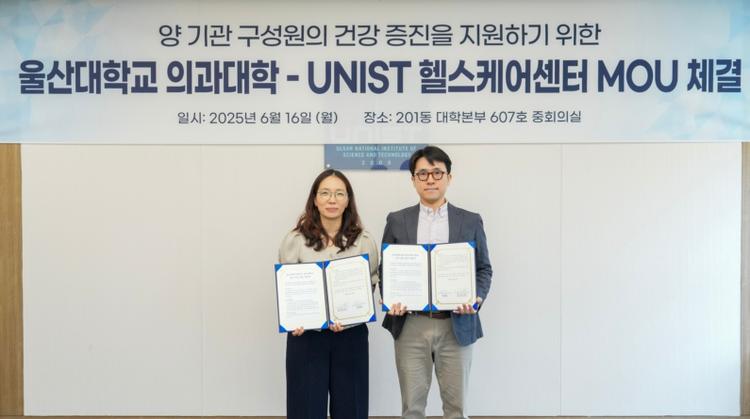
On June 16, the UNIST Healthcare Center entered into a strategic partnership with the University of Ulsan College of Medicine (hereinafter referred to as 'U of U College of Medicine') aimed at advancing health promotion and fostering mutual collaboration. The agreement was formalized during a ceremony attended by Director Doyoung Jung of the UNIST Healthcare Center, Director Youngji Jeon from the U of U College of Medicine, along with other key representatives. Under this partnership, both institutions will collaborate across various domains, including health service support, education, program development, and joint research initiatives. The Memorandum of Understanding (MoU) outlines plans to enhance health service linkage and support, foster the training of specialized personnel, develop mental health programs, and engage in joint research and educational activities related to health. This collaboration builds upon the foundation established by the "Academic Exchange Agreement for Physician–Scientist Training" signed in July 2022. It also leverages the achievements of the UNIST-U of U College of Medicine Health Sciences & Technology (HST) Program, thereby expanding the scope of joint efforts. As part of their efforts to realize an interdisciplinary model through the HST program, the two institutions will exchange student counseling practices and extend their collaboration to encompass student health management alongside education. Through this agreement, a preventive-oriented health promotion system integrating education, research, and on-site services will be established. Notably, joint planning and operation of health seminars and mental health enhancement programs targeting students and faculty will be implemented. Director Doyoung Jung of UNIST Healthcare Center stated, "UNIST and U of U College of Medicine share a common vision of future healthcare and scientific-technological convergence, and through this partnership, we aim to establish a practical support system for students' mental health and development." He further added, "We will deliver effective, prevention-focused mental health management and programs through the expertise and collaboration of both institutions."

원자력공학과, ‘원자력 안전규제라운드테이블’ 개최

Research 2025년 05월 20일 화요일

New Insights into Safe Cell Division: Key Protein as the Last Line of Defense Against DNA Bridges

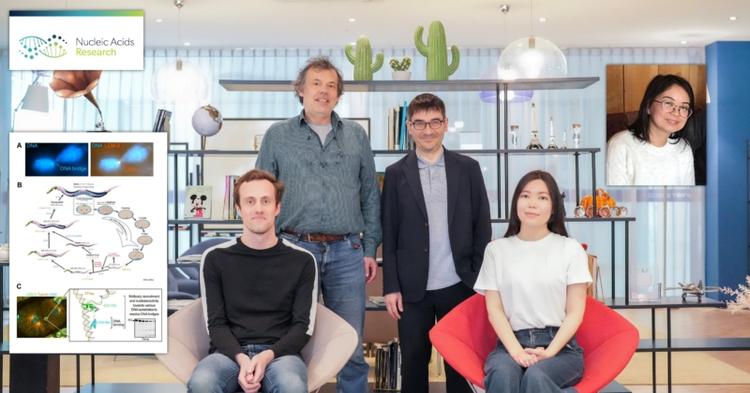
Abstract Faithful chromosome segregation requires the removal of all DNA bridges physically linking chromatids before the completion of cell division. While several redundant safeguard mechanisms to process these DNA bridges exist from S-phase to late anaphase, the conserved LEM-3/ANKLE1 nuclease has been proposed to be part of a 'last chance' mechanism that acts at the midbody to eliminate DNA bridges that persist until late cytokinesis. We show that LEM-3 can cleave a wide range of branched DNA substrates, including flaps, forks, nicked, and intact Holliday junctions. AlphaFold modelling data suggest that the catalytic mechanism of LEM-3/ANKLE1 is conserved, mirroring the mechanism observed in bacterial GIY-YIG nucleases. We present evidence that LEM-3 may form a homodimeric complex on the Holliday junction DNA. LEM-3 LEM-like and GIY-YIG nuclease domains are essential for LEM-3 recruitment to the midbody and its nuclease activity, while its LEM-like domain is sufficient for DNA binding. Finally, we show that preventing LEM-3 nuclear access is important to avoid toxicity, likely caused by branched DNAs cleavage during normal DNA metabolism. Our data suggest that Caenorhabditis elegans LEM-3 acts as a 'last chance catch-all' enzyme that processes DNA bridges caused by various perturbations of DNA metabolism just before cells divide. If DNA bridges persist between chromosomes during cell division, it can lead to abnormal segregation, genetic instability, and potentially cancer. Researchers at UNIST and the Institute for Basic Science (IBS) have, for the first time, elucidated how a critical protein functions as a final safeguard to eliminate these dangerous DNA bridges—often operating at the very last moment of cell division. Distinguished Professor Anton Gartner of the Graduate School for Health Sciences and Technology at UNIST and Associate Member of the IBS Center for Genomic Integrity, along with IBS Research Fellow Stephane Rolland, have uncovered the molecular mechanism by which the protein LEM-3 cleaves DNA bridges during cytokinesis. Their findings have been published in Nucleic Acids Research on April 11, 2025. Cell division is a vital biological process that renews tissues and maintains organism health. In humans, billions of cells divide daily: intestinal cells are renewed every 1–3 days, and skin cells roughly every 2–3 weeks. During division, DNA must be accurately duplicated and separated. However, errors such as incomplete replication or chromosome entanglement can result in DNA bridges connecting daughter cells. If left unresolved, these bridges can cause chromosomal instability, loss of genetic information, and increase the risk of cancer. Figure 1. Functional analysis of the LEM-3 protein and the roles of its domains using the C. elegans model. (A) Evidence showing that LEM-3 accumulates at DNA bridges remaining between daughter cells during the final stages of cell division and contributes to their resolution. This was observed through fluorescence microscopy. (B) LEM-3 function was analyzed across various developmental stages using the C. elegans model, elucidating the mechanism by which DNA bridges are severed during cell division. (C) LEM-3 localizes to the midbody to recognize and cleave DNA bridges. Structural prediction and cleavage assays revealed that the LEM-like domain is responsible for DNA recognition, while the GIY-YIG domain directly mediates DNA cleavage. Previous research revealed that LEM-3 plays a crucial role in resolving persistent DNA bridges, acting as a last resort when other repair mechanisms fail. Notably, LEM-3 localizes to the midbody—the narrow structure connecting two daughter cells during the final stages of division. The absence of LEM-3 results in persistent DNA bridges and failed cell division, highlighting its importance in maintaining genomic integrity. Although LEM-3 functions as a nuclease—acting like a molecular scalpel that cleaves DNA—its reaction mechanism, substrate specificity, and the roles of its various domains were not fully understood. The research team investigated how LEM-3 recognizes and cleaves different DNA structures, as well as how its domains contribute to its localization, catalytic activity, and DNA-binding ability. Additionally, they discovered that mislocalization of LEM-3 can be detrimental: if it improperly enters the nucleus, it can cause unintended DNA damage, ultimately leading to embryonic lethality. These findings highlight the critical importance of tightly regulating LEM-3 activity within cells to prevent harmful effects. The study was conducted using Caenorhabditis elegans, a model organism whose LEM-3 protein is evolutionarily conserved as human ANKLE1. Professor Gartner remarked, "Given that ANKLE1 has been linked to breast and colorectal cancers, our findings may pave the way for new strategies in cancer prevention and treatment." This research was supported by the Ministry of Science and ICT (MSIT) through the National Research Foundation of Korea (NRF), the IBS, and the Biotechnology and Biological Sciences Research Council (BBSRC) of the United Kingdom. Journal Reference Junfang Song, Peter Geary, Khadisha Salemova, et al., "Functional dissection of the conserved C. elegans LEM-3/ANKLE1 nuclease reveals a crucial requirement for the LEM-like and GIY-YIG domains for DNA bridge processing," Nucleic Acids Res., (2025).

원자력공학과, ‘원자력 안전규제라운드테이블’ 개최

News 2025년 04월 09일 수요일

UNIST Hosts Inaugural Global Mentorship Talk Concert to Support International Students

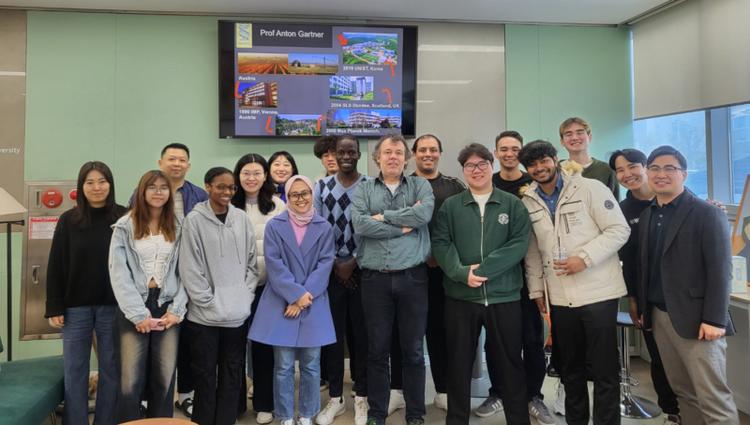
The UNIST International Affairs Team successfully launched the 'First Global Mentorship Talk Concert' at the Global Lounge of the Business Administration Building on April 4, 2025. This initiative was designed to offer international students practical advice and guidance to navigate the academic, social, and cultural challenges they encounter while studying in South Korea. The event kicked off with an inspiring talk by Professor Anton Gartner from the Graduate School of Health Science and Technology. He shared valuable insights from his overseas research experiences and cultural stories, addressing the common academic hurdles, cultural nuances, and career-related issues faced by international students. The interactive format of the session fostered an engaging Q&A, allowing students to delve deeper into adapting to life at UNIST and exploring future career opportunities. "Passion is essential," Professor Gartner emphasized, encouraging students to embrace the challenge of learning Korean and to appreciate the unique opportunities provided by their education at UNIST. He further noted, "Serving as cultural ambassadors for your respective countries will become a significant asset for each of you." Professor Anton Gartner from the Graduate School of Health Science and Technology, answering questions during a Q&A with students. Aibek Bekbergen, a master's student from Kazakhstan majoring in Electrical and Computer Engineering, expressed "I found inspiration in Professor Gartner's academic journey and life experiences, which has given me the confidence to believe I can make a meaningful impact in science." He added,"[And,] this was incredibly beneficial for international students, and I hope more opportunities like this will arise in the future." Dean Young-Bin Park of the Office of Public Relations and International Affairs expressed the university's commitment to supporting international students by saying, "We have prepared mentoring programs to assist our international students in positively responding to challenges they face in Korea." He added, "We will implement various support measures to ensure they can focus on their education and research as proud global UNISTars." The UNIST International Affairs Team continues to offer a range of programs to assist international students in adapting to life in Korea. These include Korean language education, freshman field trips, and cultural experiences designed to enhance their integration and engagement within the university community.

원자력공학과, ‘원자력 안전규제라운드테이블’ 개최

News 2025년 03월 17일 월요일

UNIST and IMB Mainz Join Forces for Innovative Cancer Drug Development

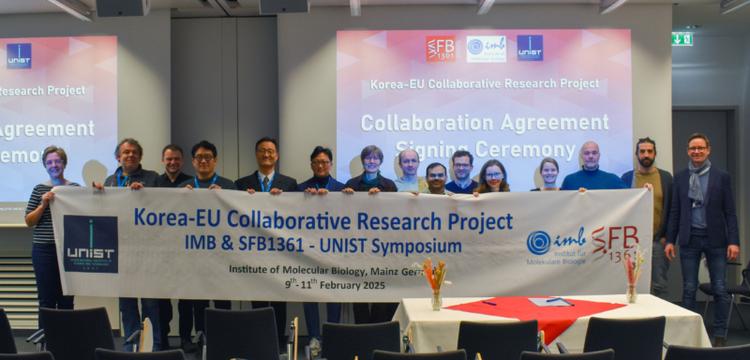
UNIST announced that it has partnered with the Institute of Molecular Biology (IMB) in Mainz, Germany, to advance the development of innovative cancer therapies. On February 10, the two institutions signed a collaborative agreement for cancer drug development during a ceremony held at the IMB Mainz in Germany. The partnership was marked by an international seminar aimed at sharing research outcomes and outlining future collaboration plans. Under the agreement, UNIST and IMB Mainz will work together to study synthetic lethality, a genetic interaction that plays a crucial role in genome stability and DNA damage repair, in order to develop innovative cancer treatments. The collaboration aims to cultivate global talent through exchanges between students and researchers, while expanding connections with various research institutions across Europe for the purpose of new drug development. Professor Lee is leading the UNIST-IMB Mainz Joint International Seminar in Germany. Key participants in the joint research include Professor Ja Yil Lee from the Department of Biological Sciences, Distinguished Professor Anton Gartner from the Graduate School of Health Science and Technology, and Professors Seung Woo Cho and Hajin Kim from the Department of Biomedical Engineering. Professor Lee will spearhead biochemical research, while Professor Gartner will focus on genetic studies. Professor Cho is set to employ CRISPR screening techniques to identify synthetic lethality gene pairs, and Professor Kim will conduct single-molecule imaging to elucidate molecular mechanisms. IMB Mainz will evaluate the cellular biological characteristics and oncological toxicity of candidate synthetic lethality genes. Professor Lee emphasized the significance of collaboration, stating, "By discovering synthetic lethality genes through our joint research, we aim to develop innovative cancer drugs with fewer cancer-specific side effects." This partnership signifies a major step forward in cancer research, aiming to unlock new therapeutic avenues that can lead to safer and more effective treatments for patients.

원자력공학과, ‘원자력 안전규제라운드테이블’ 개최

Research 2025년 01월 26일 일요일

New Study Unveils Innovative Protein Hydrogel for Targeted Drug Delivery

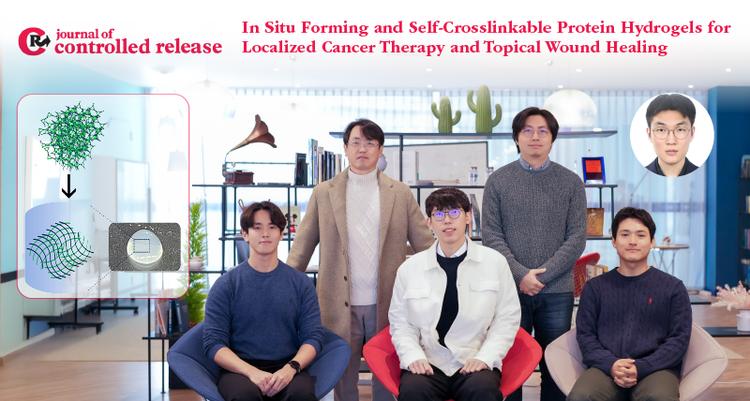
Abstract Proteins, inherently biocompatible and biodegradable, face a challenge in forming stable hydrogels without external chemical crosslinkers. Here, we construct a ring-shaped trimeric SpyTag-fused Proliferating Cell Nuclear Antigen Protein (ST-PCNA) as a core protein building block, and a dumbbell-shaped tandem dimeric SpyCatcher (SC-SC) as a bridging component. Self-crosslinked PCNA/SC-SC Protein (2SP) hydrogels are successfully formed by simply mixing the solutions of ST-PCNA and SC-SC, without chemical crosslinkers. During their formation by mixing, various cargo molecules, including anti-cancer drugs, photosensitizers, and functional proteins, are efficiently incorporated, producing cargo@2SP hydrogels. Most of the entrapped cargo molecules gradually release as the hydrogels erode. Anti-cancer drug- or photosensitizer-incorporated 2SP hydrogels are successfully formed through localized injection beneath the 4 T1 tumor in mice. The localized gradual release of drugs in physiological microenvironment substantially suppresses tumor growth, and highly localized photosensitizers retained in the 2SP hydrogels raises the local temperature above 45 °C upon laser irradiation, resulting in a significant suppression of tumor growth. Additionally, the topical administration of growth factor proteins-incorporated 2SP hydrogels to the incision wound area effectively regenerates the skin, with rapid reconstruction of extracellular matrix. The injectable and self-crosslinkable 2SP hydrogels developed here offer promise as novel biocompatible scaffolds for local therapy. A research team, affiliated with UNIST has unveiled soft self-standing protein hydrogels that selectively deliver drugs, thereby enhancing medicinal effects while minimizing associated toxicity. Professor Sebyung Kang and his research team from the Department of Biological Sciences at UNIST, in collaboration with Professor Jinmyoung Joo from the Department of Biomedical Engineering and Professor Chaenyung Cha from the Department of Materials Science and Engineering at UNIST, announced the successful creation of a self-crosslinkable protein hydrogel. This innovative hydrogel has the potential to improve the efficacy of cancer treatment and wound healing by providing a controlled, sustained drug release without the need for harmful additives. The unique drug delivery system leverages hydrogels, which allow for the gradual release of drugs from within their structure. This mechanism operates on the principle that the drug, encapsulated within the hydrogel, is released progressively as the internal crosslinks—formed by the proteins—decompose. Significantly, the research team has developed a hydrogel that can create cross-links using proteins naturally present in the body, eliminating the need for chemical cross-linkers that often induce cytotoxicity. This advancement opens up new possibilities for safe and effective drug delivery. To further enhance the hydrogel's performance, proliferating cell nuclear antigen proteins were incorporated into the formulation to suppress immune inflammatory responses. In experiments where the hydrogel was injected into mice, no immune inflammatory reactions were observed, highlighting its biocompatibility. Testing of the hydrogel's drug delivery capabilities demonstrated effectiveness in targeting breast cancer tumors through the incorporation of anticancer drugs such as doxorubicin, as well as promoting wound healing with growth factors like PDGF-BB. Additionally, the hydrogel proved effective in photothermal chemotherapy. This approach involves using photosensitized particles that generate localized heat when exposed to light, effectively targeting and destroying cancer cells. The hydrogel's ability to retain these particles enhances their therapeutic effects in the tumor area. Professor Kang remarked, "The self-crosslinkable protein hydrogel we developed serves as an effective platform for delivering or encapsulating various treatment modalities tailored to specific injection sites." Lead researcher Soomin Eom stated, "Our study highlights the potential for developing versatile protein hydrogels suitable for a range of biomedical applications." The research findings were published online in the January 2025 issue of the Journal of Controlled Release. The research received support from the National Research Foundation of Korea, the Center for Cell to Cell Communication in Cancer, and Ulsan Metropolitan City. Journal Reference Soomin Eom, Seong Guk Park, Yonghoe Koo, et al., "In situ forming and self-crosslinkable protein hydrogels for localized cancer therapy and topical wound healing," J. Control. Release., (2025).

원자력공학과, ‘원자력 안전규제라운드테이블’ 개최

Research 2025년 01월 24일 금요일

New Study Reveals Social Chatbots Effectively Alleviate Loneliness and Social Anxiety

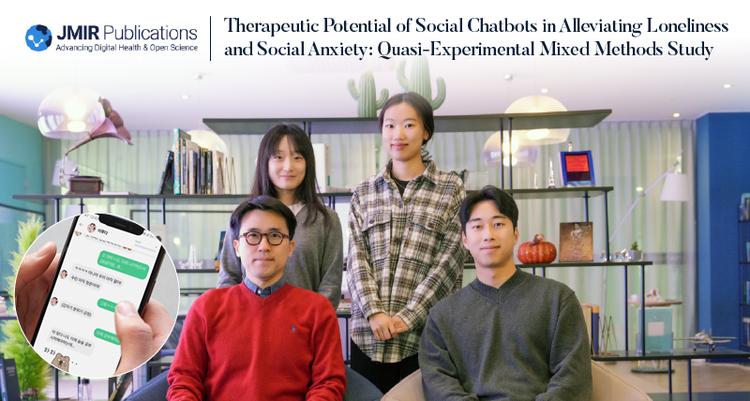
A recent study has found that social chatbots, an interactive form of artificial intelligence (AI), are effective in alleviating feelings of loneliness and social anxiety in university students. Professor Dooyoung Jung and his team in the Graduate School of Health Science and Technology at UNIST, in collaboration with Professor Chul-Hyun Cho from the Department of Psychiatry at the Korea University Anam Hospital, released the findings of their joint research on the impact of social chatbots and conversations on mental health, which has important implications for mental health treatment. The study utilized the well-known social chatbot 'Iruda 2.0.' The research team recruited 176 participants who engaged with the chatbot more than three times a week over a four-week period. Participants' levels of loneliness and social anxiety were assessed using standardized survey instruments. Data collected before and after the intervention were compared and analyzed. Additionally, small-scale interviews were conducted to gain an in-depth understanding of participants' experiences. The research aimed to evaluate how interactions with the chatbot contributed to enhancing individuals' emotional stability and social connections. Results indicated that regular interactions with social chatbots reduced loneliness scores by an average of 15% and alleviated social anxiety scores by an average of 18%. The chatbot's effectiveness in mitigating loneliness was further enhanced when users provided detailed information about their feelings, thoughts, and experiences, or when users exhibited higher resilience. The findings also suggest that chatbots may offer greater emotional management benefits to individuals who struggle with face-to-face interactions. "We have confirmed that social chatbots can serve as effective digital tools for alleviating loneliness and anxiety," stated Myungsung Kim, the first author of the study and a Ph.D. student at the UNIST Graduate School of Health Science and Technology. "This study is significant as it empirically demonstrates that chatbots can deliver emotional support beyond mere technical devices, and that factors related to interpersonal relationships influence these effects." Professor Jung, who is also a psychiatrist, remarked, "If utilized safely, social chatbots can be valuable for the prevention of mental health issues, particularly in environments where professional resources are limited." The research team is planning further studies to enhance the usability of chatbots and strengthen personalized services in the future, while also exploring the potential limitations and biases of using social chatbots as a mental health intervention. These findings were published online on January 14 in the Journal of Medical Internet Research, a leading international academic journal in advanced digital healthcare. Journal Reference Myungsung Kim, Seonmi Lee, Sieun Kim, et al., "Therapeutic Potential of Social Chatbots in Alleviating Loneliness and Social Anxiety: Quasi-Experimental Mixed Methods Study," JMIR., (2025).

원자력공학과, ‘원자력 안전규제라운드테이블’ 개최

Research 2026년 03월 18일 수요일

New Insights Reveal How PM2.5 Weakens Cerebrovascular Function and Impacts Brain Health

Abstract Particulate matter (PM2.5) is a pervasive air pollutant increasingly linked to neurovascular dysfunction, but the cellular mechanisms remain unclear. We identify the aryl hydrocarbon receptor (AHR) as a key endothelial sensor of PM2.5 that initiates mitochondrial stress and Parkin-dependent mitophagy. Across complementary inhalation and intratracheal instillation models, integrated with spatial transcriptomics, high-resolution imaging, and in vitro assays, endothelial mitochondrial injury and oxidative stress constricted cerebral vessels and reduced perfusion. These vascular insults propagated to astrocytes, where calmodulin-dependent mislocalization of aquaporin-4 (AQP4) disrupted perivascular water homeostasis and glymphatic exchange. System-level consequences included dendritic degeneration, microglial activation, and hypoxic stress, with the hippocampus showing heightened vulnerability. Spatial transcriptomics resolved region- and cell type–specific injury and synaptic remodeling that bulk RNA sequencing failed to detect, while endothelial readouts evidenced canonical AHR engagement. Collectively, the data establish endothelial mitophagy as a metabolic checkpoint linking environmental particulate exposure to gliovascular dysfunction and impaired brain clearance, and nominate AHR signaling as a potential therapeutic target to preserve brain homeostasis under chronic air pollution. These mechanistic links provide a framework for interpreting epidemiological associations between PM2.5 exposure and neurodegenerative disease risk. Researchers from UNIST, in collaboration with the Korea Brain Research Institute (KBRI) and the Korea Institute of Toxicology (KIT), have identified the neurotoxic mechanism by which PM2.5—fine airborne particulate matter—damages cerebrovascular health and adversely impacts brain function. This breakthrough was a collaborative effort led by Professor Kyemyung Park from the Graduate School of Health and Science (HST) at UNIST, with significant contributions from Dr. Do-Geun Kim of the Dementia Research Group at KBRI and Dr. Kyuhong Lee of KIT. Although PM2.5 has long been associated with respiratory and cardiovascular issues, its direct effects on the brain and the underlying pathways have remained largely unclear. To address this, the research focused on endothelial cells lining brain blood vessels, which are essential for maintaining a healthy neural environment. The study revealed that PM2.5 activates the aryl hydrocarbon receptor (AHR) within cerebrovascular endothelial cells, leading to mitochondrial dysfunction—the cell’s energy-producing organelles. This mitochondrial impairment reduces cellular energy production, impairing blood vessel regulation and ultimately decreasing blood flow to the brain. Furthermore, disruptions were observed in the communication between blood vessels and neighboring cells such as astrocytes. These alterations can interfere with the glymphatic system, the brain’s waste clearance pathway, potentially compromising overall brain homeostasis. Figure 1. Schematic image, illustrating the vascular-first mechanism of PM2.5 neurotoxicity. The hippocampus—a region vital for memory and learning—was particularly susceptible. Given its key role in neurodegenerative diseases like Alzheimer's, these findings provide a scientific basis for understanding how environmental pollutants may contribute to long-term cognitive decline. This research offers a comprehensive view of how PM2.5 exposure can trigger a cascade of effects, starting with cerebrovascular impairment and extending to broader changes in the brain environment. Professor Kyemyung Park of UNIST remarked, "We identified how PM2.5 impairs energy metabolism in vascular cells, leading to systemic changes in brain function. This provides a foundational link between environmental pollution and neurodegenerative processes." Dr. Do-Geun Kim from KBRI, co-corresponding author, stated, "This study demonstrates that PM2.5 can influence brain health by disrupting cerebrovascular function, revealing a potential pathway through which environmental pollutants impact cognition." Dr. Kyuhong Lee from KIT, another co-corresponding author, added, "By accurately simulating the toxicological properties of Korean ambient PM, our findings closely reflect real-world exposure risks, offering valuable insights for environmental health policies and future research." The findings of this research have been published online in the Journal of Hazardous Materials on January 27, 2026. This study has been supported by the National Research Foundation of Korea (NRF), the Ministry of Science and ICT (MSIT), the Korea Brain Research Institute (KBRI), the Korea Institute of Toxicology (KIT), and initiatives, including the Bio-Medical Technology Development Program and Early-Career Research Project. Journal Reference Kyu-Sung Kim, Dong Im Kim, Sungsu Hwang, et al., "PM2.5 impairs gliovascular coupling via endothelial AHR–mitochondrial signaling in mice," J. Hazard. Mater., (2026).
원자력공학과, ‘원자력 안전규제라운드테이블’ 개최

News 2026년 02월 09일 월요일

UNIST and COMWEL Partner to Build Integrated Healthcare–Industry–Engineering Model

On February 9, UNIST has signed a Memorandum of Understanding (MOU) with the Korea Workers' Compensation & Welfare Service (COMWEL) to establish a collaborative model integrating healthcare, industry, and engineering, centered on the COMWEL Ulsan Hospital (name tentative). The agreement marks the first step toward developing a public healthcare innovation ecosystem tailored to Ulsan by combining medical services with advanced research and industrial expertise. The hospital, currently under construction and scheduled to open in the second half of 2026, will serve as the core platform for this initiative. Under the agreement, the two institutions will cooperate in key areas, including ▲ Exchange & Support of Medical Professionals and Medical Scientists, ▲ Demonstration Research for the Improved Industrial Accident Medical Fee Systems & Application of Rehabilitation Technologies, ▲ Joint Research based on Medical AI & Biomedical Engineering, and ▲ Establishment of Co-growth Model Linking Healthcare, Industry, and engineering. Drawing on its strengths in science and engineering, UNIST will support the hospital in developing into a distinctive public medical institution that integrates clinical services with research and innovation. The two organizations will form a working-level committee to define and implement collaborative projects in stages. UNIST President Chong Rae Park said, "This agreement marks the starting point of cooperation where healthcare, research, and industry can grow together around the COMWEL Ulsan Hospital. We will work closely with COMWEL to ensure that UNIST's research outcomes are applied in real clinical settings and ultimately contribute to improving citizens' quality of life." COMWEL President Jongkil Park added, "The convergence of UNIST's medical, industrial, and engineering capabilities with COMWEL Ulsan Hospital is both timely and essential. We hope this partnership will become a benchmark for public healthcare innovation not only in Ulsan, but across Korea." The two institutions further plan to expand demonstration research in rehabilitation medicine using advanced technologies, such as medical AI and biosensors, aiming to develop Ulsan into a leading hub for public healthcare collaboration where industrial accident treatment and cutting-edge research converge.

원자력공학과, ‘원자력 안전규제라운드테이블’ 개최

News 2026년 01월 27일 화요일

UNIST and DIRAMS Hold First Joint Symposium on Space Medicine

UNIST Graduate School of Health Science and Technology (HST) and the Dongnam Institute of Radiological & Medical Sciences (DIRAMS) jointly hosted the '1st UNIST-DIRAMS Space Medicine Symposium' at the University–Industry Cooperation Building on January 26, 2026. The event brought together leading space medicine experts nationwide, marking a new step in domestic collaboration. The symposium served as the first formal platform for cooperation between the two institutions in the field of space medicine. About 80 researchers and officials attended, including representatives from UNIST, DIRAMS, and the Korea Institute of Radiological and Medical Sciences (KIRAMS). UNIST President Chong Rae Park is delivering a welcome remark at the symposium on January 26, 2026. The event was organized to share recent research findings and strengthen collaboration on understanding how space environments affect human health. Participants exchanged views on medical risks associated with spaceflight and explored ways to translate research outcomes into future missions. The program opened with welcome remarks from UNIST President Chong Rae Park and DIRAMS President Chang-hun Rhee, who highlighted the growing importance of space medicine as a key research field for future space activities. Professor Haig Aintablian, Director of the UCLA Space Medicine Center, delivered a keynote under the theme "Our Pursuit of the Final Frontier." The keynote lecture was delivered by Professor Haig Aintablian, Director of the UCLA Space Medicine Center, under the theme "Our Pursuit of the Final Frontier." He outlined key physiological changes experienced in space and emphasized the need for continued medical research to support human activity beyond Earth. Dr. Manwoo Lee of DIRAMS followed with a presentation on regional accelerator-based research infrastructure and its potential role in advancing space medicine studies. The '1st UNIST-DIRAMS Space Medicine Symposium' at the University–Industry Cooperation Building on January 26, 2026. The afternoon sessions focused on two major themes. The first focused on the effects of microgravity on the human body, including changes in mitochondrial function, immune response, and muscle loss during spaceflight. Researchers also introduced emerging technologies aimed at mitigating these risks. The second session addressed space radiation and its impact on human health. Presentations covered radiation exposure assessment, dosimetry research, and the development of detection systems for use in low-Earth orbit and future lunar missions. DIRAMS President Rhee Chang-hun delivered a welcome remark at the symposium. Seungjae Baek, Head of UNIST Graduate School of HST, said that research in space medicine is essential for safe and sustainable space exploration. "Astronauts operate in extreme environments," he noted. "Scientific preparation is critical if they are to carry out missions safely and effectively." President Rhee of DIRAMS emphasized the interdisciplinary nature of the field. "Space medicine requires close cooperation across medicine, engineering, and radiation science," he said. "By combining our strengths with UNIST, we aim to build a distinctive research platform focused on protecting astronaut health." Through the symposium, UNIST and DIRAMS agreed to expand joint research efforts and continue building a long-term partnership in space medicine and radiation science.

원자력공학과, ‘원자력 안전규제라운드테이블’ 개최

News 2025년 11월 27일 목요일

UNIST–Ulsan City Roundtable Explores Global Trends and Growth Strategies in Biohealth

UNIST, in partnership with the Ulsan Metropolitan City, hosted a roundtable meeting on Ulsan Biohealth Industry on November 27, 2025. Took place at the Industry–University Cooperation Building of UNIST, the meeting brought together representatives from academia, industry, research institutes, and government. Attendees included UNIST Vice President Sung Chul Bae for Academic Affairs, Dean Seung Jae Baek of UNIST Graduate School of Health Science and Technology, Vice Mayor Hyo Dae An for Economic Affairs of Ulsan Metropolitan City, and leaders from regional biohealth companies. Key agenda included trends in the global biohealth industry, an overview of Ulsan’s international expansion support programs, and case studies from companies that have benefited from these initiatives. Recent achievements and global expansion strategies were shared at the Ulsan Biohealth Industry Roundtable. During the session, participating companies presented tangible outcomes from Ulsan City's overseas expansion support program—operated by UNIST—including examples of global network building, tailored business development support, and participation in international exhibitions and conferences. These cases highlighted both emerging collaboration opportunities and strategies for entering global markets. Ulsan City also gathered feedback from companies regarding on-site challenges and policy needs, which will inform future support initiatives and the development of new programs for the region's biohealth sector. Vice President Sung Chul Bae of UNIST shares insights at the Ulsan Biohealth Industry Roundtable. "The innovation and determination of regional biohealth companies will shape the future of Ulsan's biohealth industry," said Vice President Sung Chul Bae of UNIST. "UNIST will continue to strengthen practical, field-driven collaboration so that our research outcomes can translate into real impact for industry." "The biohealth sector is experiencing rapid technological change and market growth," added Vice Mayor Hyo Dae An. "To stay competitive, it is essential that we identify market trends early and respond proactively. Ulsan City will work closely with academia, industry, and research partners to reinforce a strong collaborative framework." With continued support from Ulsan Metropolitan City, UNIST plans to expand its overseas market support programs for biohealth and digital health companies next year, further accelerating the region’s growth as a hub for future biohealth innovation.

원자력공학과, ‘원자력 안전규제라운드테이블’ 개최

News 2025년 11월 13일 목요일

Successful Completion of 2025 Digital Healthcare Hackathon, Fostering Cross-Disciplinary Innovation in Medical Technology

The 2025 Digital Healthcare Hackathon concluded successfully, bringing together students from medical, engineering, and nursing disciplines to collaboratively develop innovative solutions for pressing healthcare challenges. Held over two days at the Industry-Academic Cooperation Center of UNIST from October 8 to 9, the event saw 69 students from UNIST, University of Ulsan (U of U) College of Medicine, and Yonsei University College of Nursing (YUCON) form cross-disciplinary teams to address real-world medical issues through creative technological approaches. This hackathon is part of the K-BIO STAR Project, a national R&D initiative by the Ministry of Science and ICT (MSIT), which is designed to explore new solutions at the intersection of healthcare and technology. The program aims to cultivate next-generation professionals with expertise in medical science and bio-convergence, through the joint UNIST-Ulsan University Health Science and Technology (UU-HST) Program. Participants engaged in dynamic discussions on topics such as medical imaging diagnostics, patient monitoring, telemedicine, emergency care, and drug selection. Leveraging artificial intelligence and big data, teams proposed solutions that push beyond existing healthcare service limitations. A student is presenting a solution to medical problems with a creative idea at the hackathon. The Grand Prize was awarded to TEAM BROCCOLi for their innovative AI-based personalized diet and skin diagnosis app tailored for children with atopic dermatitis. While the Excellence Prize was awarded to TEAM Sixth Sense and Team D.U.B.A.I and Team K-dementia_hunters for showcasing a range of cutting-edge ideas—from sensor-fusion smart mobility aids for visually impaired individuals to AI reminders supporting patients with dementia. Winning teams will have the opportunity to showcase their solutions on a global stage, including participation in WHX Dubai (Formerly Arab Health) in February 2026 and the Sheikh Khalifa Medical City Program, to further develop their ideas internationally. The judging panel comprised Co-Founder Kihong Bae of Strong Ventures LLC, Professor Anna Lee of Yonsei University College of Nursing, Seungjae Baek, Head of UNIST Graduate School of Health Science and Technology, and Professor Sungchan Park of Ulsan University College of Medicine. Kihong Bae remarked, "Analyzing healthcare challenges and developing business plans over just two days was an exhilarating experience. The synergy among teams composed of engineering, medical, and nursing students was remarkable and truly demonstrated the power of interdisciplinary collaboration." Seungjae Baek, Head of UNIST Graduate School of HST, emphasized the significance of the event, stating, "Bringing together students from diverse disciplines to define medical problems and craft solutions was incredibly meaningful. It provided a valuable firsthand experience of the transformative potential of digital healthcare. UNIST remains committed to fostering convergent talents at the nexus of healthcare and science and technology." Dean Hyeon Kyeong Lee of YUCON expressed her appreciation, saying, "It was inspiring to see students respect each other’s ideas and collaborate across disciplines. I hope this hackathon becomes a catalyst for nurturing talent capable of driving meaningful change in healthcare." This event was organized jointly by the UNIST Graduate School of Health Science and Technology, the UNIST Smart Healthcare Research Center, and the Ulsan University College of Medicine, with support from the UNIST Startup Support Team.

원자력공학과, ‘원자력 안전규제라운드테이블’ 개최

News 2025년 11월 09일 일요일

UNIST and DIRAMS Expand Collaboration in Future Medicine through New Partnership

UNIST and Dongnam Institute of Radiological & Medical Sciences (DIRAMS) have renewed their partnership to jointly advance the frontiers of future medicine. The two institutions announced an expansion of their collaboration in cutting-edge interdisciplinary research areas, including artificial intelligence (AI) in healthcare, aerospace medicine, radiopharmaceuticals, and regenerative medicine. On November 6, the two organizations reaffirmed their commitment through a formal Memorandum of Understanding (MOU) signed at the Main Administration Building of UNIST—five years after their initial agreement in 2019. This renewed partnership aims to deepen cooperation across key areas of future medical technology while fostering talent development through student internship programs and collaborative training initiatives. UNIST brings its strong research capabilities rooted in science and technology, while DIRAMS contributes extensive clinical expertise and medical technology. By combining these strengths, the partnership seeks to establish a national hub for innovative future medicine research. From left are DIRAMS President Chang-hun Rhee and UNIST President Chong Rae Park. President Park of UNIST stated, "When science and technology intersect with medicine, new industries are born," adding, "UNIST aims to lead this convergence through innovative research in AI and aerospace medicine, ultimately translating breakthroughs into tangible improvements in healthcare practice." The two institutions also plan to leverage their expertise in AI and radiopharmaceuticals to bolster the emerging space industry in the Southeastern region of Korea—Ulsan, Busan, and Gyeongnam—especially with the establishment of the Korea Space Agency. Their goal is to build a regional medical and industrial network centered on space medicine research, creating a sustainable future healthcare ecosystem. Expressing optimism, President Rhee of DIRAMS stated, "This collaboration is more than just a formal agreement; it will produce tangible results. We anticipate significant achievements in radiopharmaceuticals, regenerative medicine, and AI-driven healthcare solutions." The MoU signing ceremony was attended by UNIST President Chong Rae Park, Vice President Sung Chul Bae for Academic Affairs, Director Seungjae Baek of the UNIST Graduate School of Health Science and Technology, DIRAMS President Chang-hun Rhee, and Director SangYeon Hwang of DIRAMS Research Center. Moving forward, the two organizations plan to institutionalize joint research initiatives and develop concrete models for regional and national leadership in future medical innovation.

원자력공학과, ‘원자력 안전규제라운드테이블’ 개최

News 2025년 06월 24일 화요일

UNIST and U of U College of Medicine Forge Partnership to Enhance Student Mental Health and Development Support

On June 16, the UNIST Healthcare Center entered into a strategic partnership with the University of Ulsan College of Medicine (hereinafter referred to as 'U of U College of Medicine') aimed at advancing health promotion and fostering mutual collaboration. The agreement was formalized during a ceremony attended by Director Doyoung Jung of the UNIST Healthcare Center, Director Youngji Jeon from the U of U College of Medicine, along with other key representatives. Under this partnership, both institutions will collaborate across various domains, including health service support, education, program development, and joint research initiatives. The Memorandum of Understanding (MoU) outlines plans to enhance health service linkage and support, foster the training of specialized personnel, develop mental health programs, and engage in joint research and educational activities related to health. This collaboration builds upon the foundation established by the "Academic Exchange Agreement for Physician–Scientist Training" signed in July 2022. It also leverages the achievements of the UNIST-U of U College of Medicine Health Sciences & Technology (HST) Program, thereby expanding the scope of joint efforts. As part of their efforts to realize an interdisciplinary model through the HST program, the two institutions will exchange student counseling practices and extend their collaboration to encompass student health management alongside education. Through this agreement, a preventive-oriented health promotion system integrating education, research, and on-site services will be established. Notably, joint planning and operation of health seminars and mental health enhancement programs targeting students and faculty will be implemented. Director Doyoung Jung of UNIST Healthcare Center stated, "UNIST and U of U College of Medicine share a common vision of future healthcare and scientific-technological convergence, and through this partnership, we aim to establish a practical support system for students' mental health and development." He further added, "We will deliver effective, prevention-focused mental health management and programs through the expertise and collaboration of both institutions."

원자력공학과, ‘원자력 안전규제라운드테이블’ 개최

Research 2025년 05월 20일 화요일

New Insights into Safe Cell Division: Key Protein as the Last Line of Defense Against DNA Bridges

Abstract Faithful chromosome segregation requires the removal of all DNA bridges physically linking chromatids before the completion of cell division. While several redundant safeguard mechanisms to process these DNA bridges exist from S-phase to late anaphase, the conserved LEM-3/ANKLE1 nuclease has been proposed to be part of a 'last chance' mechanism that acts at the midbody to eliminate DNA bridges that persist until late cytokinesis. We show that LEM-3 can cleave a wide range of branched DNA substrates, including flaps, forks, nicked, and intact Holliday junctions. AlphaFold modelling data suggest that the catalytic mechanism of LEM-3/ANKLE1 is conserved, mirroring the mechanism observed in bacterial GIY-YIG nucleases. We present evidence that LEM-3 may form a homodimeric complex on the Holliday junction DNA. LEM-3 LEM-like and GIY-YIG nuclease domains are essential for LEM-3 recruitment to the midbody and its nuclease activity, while its LEM-like domain is sufficient for DNA binding. Finally, we show that preventing LEM-3 nuclear access is important to avoid toxicity, likely caused by branched DNAs cleavage during normal DNA metabolism. Our data suggest that Caenorhabditis elegans LEM-3 acts as a 'last chance catch-all' enzyme that processes DNA bridges caused by various perturbations of DNA metabolism just before cells divide. If DNA bridges persist between chromosomes during cell division, it can lead to abnormal segregation, genetic instability, and potentially cancer. Researchers at UNIST and the Institute for Basic Science (IBS) have, for the first time, elucidated how a critical protein functions as a final safeguard to eliminate these dangerous DNA bridges—often operating at the very last moment of cell division. Distinguished Professor Anton Gartner of the Graduate School for Health Sciences and Technology at UNIST and Associate Member of the IBS Center for Genomic Integrity, along with IBS Research Fellow Stephane Rolland, have uncovered the molecular mechanism by which the protein LEM-3 cleaves DNA bridges during cytokinesis. Their findings have been published in Nucleic Acids Research on April 11, 2025. Cell division is a vital biological process that renews tissues and maintains organism health. In humans, billions of cells divide daily: intestinal cells are renewed every 1–3 days, and skin cells roughly every 2–3 weeks. During division, DNA must be accurately duplicated and separated. However, errors such as incomplete replication or chromosome entanglement can result in DNA bridges connecting daughter cells. If left unresolved, these bridges can cause chromosomal instability, loss of genetic information, and increase the risk of cancer. Figure 1. Functional analysis of the LEM-3 protein and the roles of its domains using the C. elegans model. (A) Evidence showing that LEM-3 accumulates at DNA bridges remaining between daughter cells during the final stages of cell division and contributes to their resolution. This was observed through fluorescence microscopy. (B) LEM-3 function was analyzed across various developmental stages using the C. elegans model, elucidating the mechanism by which DNA bridges are severed during cell division. (C) LEM-3 localizes to the midbody to recognize and cleave DNA bridges. Structural prediction and cleavage assays revealed that the LEM-like domain is responsible for DNA recognition, while the GIY-YIG domain directly mediates DNA cleavage. Previous research revealed that LEM-3 plays a crucial role in resolving persistent DNA bridges, acting as a last resort when other repair mechanisms fail. Notably, LEM-3 localizes to the midbody—the narrow structure connecting two daughter cells during the final stages of division. The absence of LEM-3 results in persistent DNA bridges and failed cell division, highlighting its importance in maintaining genomic integrity. Although LEM-3 functions as a nuclease—acting like a molecular scalpel that cleaves DNA—its reaction mechanism, substrate specificity, and the roles of its various domains were not fully understood. The research team investigated how LEM-3 recognizes and cleaves different DNA structures, as well as how its domains contribute to its localization, catalytic activity, and DNA-binding ability. Additionally, they discovered that mislocalization of LEM-3 can be detrimental: if it improperly enters the nucleus, it can cause unintended DNA damage, ultimately leading to embryonic lethality. These findings highlight the critical importance of tightly regulating LEM-3 activity within cells to prevent harmful effects. The study was conducted using Caenorhabditis elegans, a model organism whose LEM-3 protein is evolutionarily conserved as human ANKLE1. Professor Gartner remarked, "Given that ANKLE1 has been linked to breast and colorectal cancers, our findings may pave the way for new strategies in cancer prevention and treatment." This research was supported by the Ministry of Science and ICT (MSIT) through the National Research Foundation of Korea (NRF), the IBS, and the Biotechnology and Biological Sciences Research Council (BBSRC) of the United Kingdom. Journal Reference Junfang Song, Peter Geary, Khadisha Salemova, et al., "Functional dissection of the conserved C. elegans LEM-3/ANKLE1 nuclease reveals a crucial requirement for the LEM-like and GIY-YIG domains for DNA bridge processing," Nucleic Acids Res., (2025).

원자력공학과, ‘원자력 안전규제라운드테이블’ 개최

News 2025년 04월 09일 수요일

UNIST Hosts Inaugural Global Mentorship Talk Concert to Support International Students

The UNIST International Affairs Team successfully launched the 'First Global Mentorship Talk Concert' at the Global Lounge of the Business Administration Building on April 4, 2025. This initiative was designed to offer international students practical advice and guidance to navigate the academic, social, and cultural challenges they encounter while studying in South Korea. The event kicked off with an inspiring talk by Professor Anton Gartner from the Graduate School of Health Science and Technology. He shared valuable insights from his overseas research experiences and cultural stories, addressing the common academic hurdles, cultural nuances, and career-related issues faced by international students. The interactive format of the session fostered an engaging Q&A, allowing students to delve deeper into adapting to life at UNIST and exploring future career opportunities. "Passion is essential," Professor Gartner emphasized, encouraging students to embrace the challenge of learning Korean and to appreciate the unique opportunities provided by their education at UNIST. He further noted, "Serving as cultural ambassadors for your respective countries will become a significant asset for each of you." Professor Anton Gartner from the Graduate School of Health Science and Technology, answering questions during a Q&A with students. Aibek Bekbergen, a master's student from Kazakhstan majoring in Electrical and Computer Engineering, expressed "I found inspiration in Professor Gartner's academic journey and life experiences, which has given me the confidence to believe I can make a meaningful impact in science." He added,"[And,] this was incredibly beneficial for international students, and I hope more opportunities like this will arise in the future." Dean Young-Bin Park of the Office of Public Relations and International Affairs expressed the university's commitment to supporting international students by saying, "We have prepared mentoring programs to assist our international students in positively responding to challenges they face in Korea." He added, "We will implement various support measures to ensure they can focus on their education and research as proud global UNISTars." The UNIST International Affairs Team continues to offer a range of programs to assist international students in adapting to life in Korea. These include Korean language education, freshman field trips, and cultural experiences designed to enhance their integration and engagement within the university community.

원자력공학과, ‘원자력 안전규제라운드테이블’ 개최

News 2025년 03월 17일 월요일

UNIST and IMB Mainz Join Forces for Innovative Cancer Drug Development

UNIST announced that it has partnered with the Institute of Molecular Biology (IMB) in Mainz, Germany, to advance the development of innovative cancer therapies. On February 10, the two institutions signed a collaborative agreement for cancer drug development during a ceremony held at the IMB Mainz in Germany. The partnership was marked by an international seminar aimed at sharing research outcomes and outlining future collaboration plans. Under the agreement, UNIST and IMB Mainz will work together to study synthetic lethality, a genetic interaction that plays a crucial role in genome stability and DNA damage repair, in order to develop innovative cancer treatments. The collaboration aims to cultivate global talent through exchanges between students and researchers, while expanding connections with various research institutions across Europe for the purpose of new drug development. Professor Lee is leading the UNIST-IMB Mainz Joint International Seminar in Germany. Key participants in the joint research include Professor Ja Yil Lee from the Department of Biological Sciences, Distinguished Professor Anton Gartner from the Graduate School of Health Science and Technology, and Professors Seung Woo Cho and Hajin Kim from the Department of Biomedical Engineering. Professor Lee will spearhead biochemical research, while Professor Gartner will focus on genetic studies. Professor Cho is set to employ CRISPR screening techniques to identify synthetic lethality gene pairs, and Professor Kim will conduct single-molecule imaging to elucidate molecular mechanisms. IMB Mainz will evaluate the cellular biological characteristics and oncological toxicity of candidate synthetic lethality genes. Professor Lee emphasized the significance of collaboration, stating, "By discovering synthetic lethality genes through our joint research, we aim to develop innovative cancer drugs with fewer cancer-specific side effects." This partnership signifies a major step forward in cancer research, aiming to unlock new therapeutic avenues that can lead to safer and more effective treatments for patients.

원자력공학과, ‘원자력 안전규제라운드테이블’ 개최

Research 2025년 01월 26일 일요일

New Study Unveils Innovative Protein Hydrogel for Targeted Drug Delivery

Abstract Proteins, inherently biocompatible and biodegradable, face a challenge in forming stable hydrogels without external chemical crosslinkers. Here, we construct a ring-shaped trimeric SpyTag-fused Proliferating Cell Nuclear Antigen Protein (ST-PCNA) as a core protein building block, and a dumbbell-shaped tandem dimeric SpyCatcher (SC-SC) as a bridging component. Self-crosslinked PCNA/SC-SC Protein (2SP) hydrogels are successfully formed by simply mixing the solutions of ST-PCNA and SC-SC, without chemical crosslinkers. During their formation by mixing, various cargo molecules, including anti-cancer drugs, photosensitizers, and functional proteins, are efficiently incorporated, producing cargo@2SP hydrogels. Most of the entrapped cargo molecules gradually release as the hydrogels erode. Anti-cancer drug- or photosensitizer-incorporated 2SP hydrogels are successfully formed through localized injection beneath the 4 T1 tumor in mice. The localized gradual release of drugs in physiological microenvironment substantially suppresses tumor growth, and highly localized photosensitizers retained in the 2SP hydrogels raises the local temperature above 45 °C upon laser irradiation, resulting in a significant suppression of tumor growth. Additionally, the topical administration of growth factor proteins-incorporated 2SP hydrogels to the incision wound area effectively regenerates the skin, with rapid reconstruction of extracellular matrix. The injectable and self-crosslinkable 2SP hydrogels developed here offer promise as novel biocompatible scaffolds for local therapy. A research team, affiliated with UNIST has unveiled soft self-standing protein hydrogels that selectively deliver drugs, thereby enhancing medicinal effects while minimizing associated toxicity. Professor Sebyung Kang and his research team from the Department of Biological Sciences at UNIST, in collaboration with Professor Jinmyoung Joo from the Department of Biomedical Engineering and Professor Chaenyung Cha from the Department of Materials Science and Engineering at UNIST, announced the successful creation of a self-crosslinkable protein hydrogel. This innovative hydrogel has the potential to improve the efficacy of cancer treatment and wound healing by providing a controlled, sustained drug release without the need for harmful additives. The unique drug delivery system leverages hydrogels, which allow for the gradual release of drugs from within their structure. This mechanism operates on the principle that the drug, encapsulated within the hydrogel, is released progressively as the internal crosslinks—formed by the proteins—decompose. Significantly, the research team has developed a hydrogel that can create cross-links using proteins naturally present in the body, eliminating the need for chemical cross-linkers that often induce cytotoxicity. This advancement opens up new possibilities for safe and effective drug delivery. To further enhance the hydrogel's performance, proliferating cell nuclear antigen proteins were incorporated into the formulation to suppress immune inflammatory responses. In experiments where the hydrogel was injected into mice, no immune inflammatory reactions were observed, highlighting its biocompatibility. Testing of the hydrogel's drug delivery capabilities demonstrated effectiveness in targeting breast cancer tumors through the incorporation of anticancer drugs such as doxorubicin, as well as promoting wound healing with growth factors like PDGF-BB. Additionally, the hydrogel proved effective in photothermal chemotherapy. This approach involves using photosensitized particles that generate localized heat when exposed to light, effectively targeting and destroying cancer cells. The hydrogel's ability to retain these particles enhances their therapeutic effects in the tumor area. Professor Kang remarked, "The self-crosslinkable protein hydrogel we developed serves as an effective platform for delivering or encapsulating various treatment modalities tailored to specific injection sites." Lead researcher Soomin Eom stated, "Our study highlights the potential for developing versatile protein hydrogels suitable for a range of biomedical applications." The research findings were published online in the January 2025 issue of the Journal of Controlled Release. The research received support from the National Research Foundation of Korea, the Center for Cell to Cell Communication in Cancer, and Ulsan Metropolitan City. Journal Reference Soomin Eom, Seong Guk Park, Yonghoe Koo, et al., "In situ forming and self-crosslinkable protein hydrogels for localized cancer therapy and topical wound healing," J. Control. Release., (2025).

원자력공학과, ‘원자력 안전규제라운드테이블’ 개최

Research 2025년 01월 24일 금요일

New Study Reveals Social Chatbots Effectively Alleviate Loneliness and Social Anxiety

A recent study has found that social chatbots, an interactive form of artificial intelligence (AI), are effective in alleviating feelings of loneliness and social anxiety in university students. Professor Dooyoung Jung and his team in the Graduate School of Health Science and Technology at UNIST, in collaboration with Professor Chul-Hyun Cho from the Department of Psychiatry at the Korea University Anam Hospital, released the findings of their joint research on the impact of social chatbots and conversations on mental health, which has important implications for mental health treatment. The study utilized the well-known social chatbot 'Iruda 2.0.' The research team recruited 176 participants who engaged with the chatbot more than three times a week over a four-week period. Participants' levels of loneliness and social anxiety were assessed using standardized survey instruments. Data collected before and after the intervention were compared and analyzed. Additionally, small-scale interviews were conducted to gain an in-depth understanding of participants' experiences. The research aimed to evaluate how interactions with the chatbot contributed to enhancing individuals' emotional stability and social connections. Results indicated that regular interactions with social chatbots reduced loneliness scores by an average of 15% and alleviated social anxiety scores by an average of 18%. The chatbot's effectiveness in mitigating loneliness was further enhanced when users provided detailed information about their feelings, thoughts, and experiences, or when users exhibited higher resilience. The findings also suggest that chatbots may offer greater emotional management benefits to individuals who struggle with face-to-face interactions. "We have confirmed that social chatbots can serve as effective digital tools for alleviating loneliness and anxiety," stated Myungsung Kim, the first author of the study and a Ph.D. student at the UNIST Graduate School of Health Science and Technology. "This study is significant as it empirically demonstrates that chatbots can deliver emotional support beyond mere technical devices, and that factors related to interpersonal relationships influence these effects." Professor Jung, who is also a psychiatrist, remarked, "If utilized safely, social chatbots can be valuable for the prevention of mental health issues, particularly in environments where professional resources are limited." The research team is planning further studies to enhance the usability of chatbots and strengthen personalized services in the future, while also exploring the potential limitations and biases of using social chatbots as a mental health intervention. These findings were published online on January 14 in the Journal of Medical Internet Research, a leading international academic journal in advanced digital healthcare. Journal Reference Myungsung Kim, Seonmi Lee, Sieun Kim, et al., "Therapeutic Potential of Social Chatbots in Alleviating Loneliness and Social Anxiety: Quasi-Experimental Mixed Methods Study," JMIR., (2025).

의과학대학원 다양한 소식
을 전달드립니다.

의과학대학원 학사일정
확인해 보세요.

View More